
The Traveller’s Guide to the PS Vita – in 2026!
 The PlayStation Vita returns, but did it ever really go away? Today I’m answering this, and other important questions relating to the past, present, and future of Sony’s handled.
Perfect 1000, 2000, whatever
Two models, no definitive winner… until now! Over the years I’ve gone back-and-forth between the original PS Vita “Phat” (1000) and it’s slimmer, slightly younger cousin (The PS Vita 2000). The slim has improved ergonomics and is lighter, but the trade off is that the original’s OLED display was replaced by a lower-quality LCD panel.
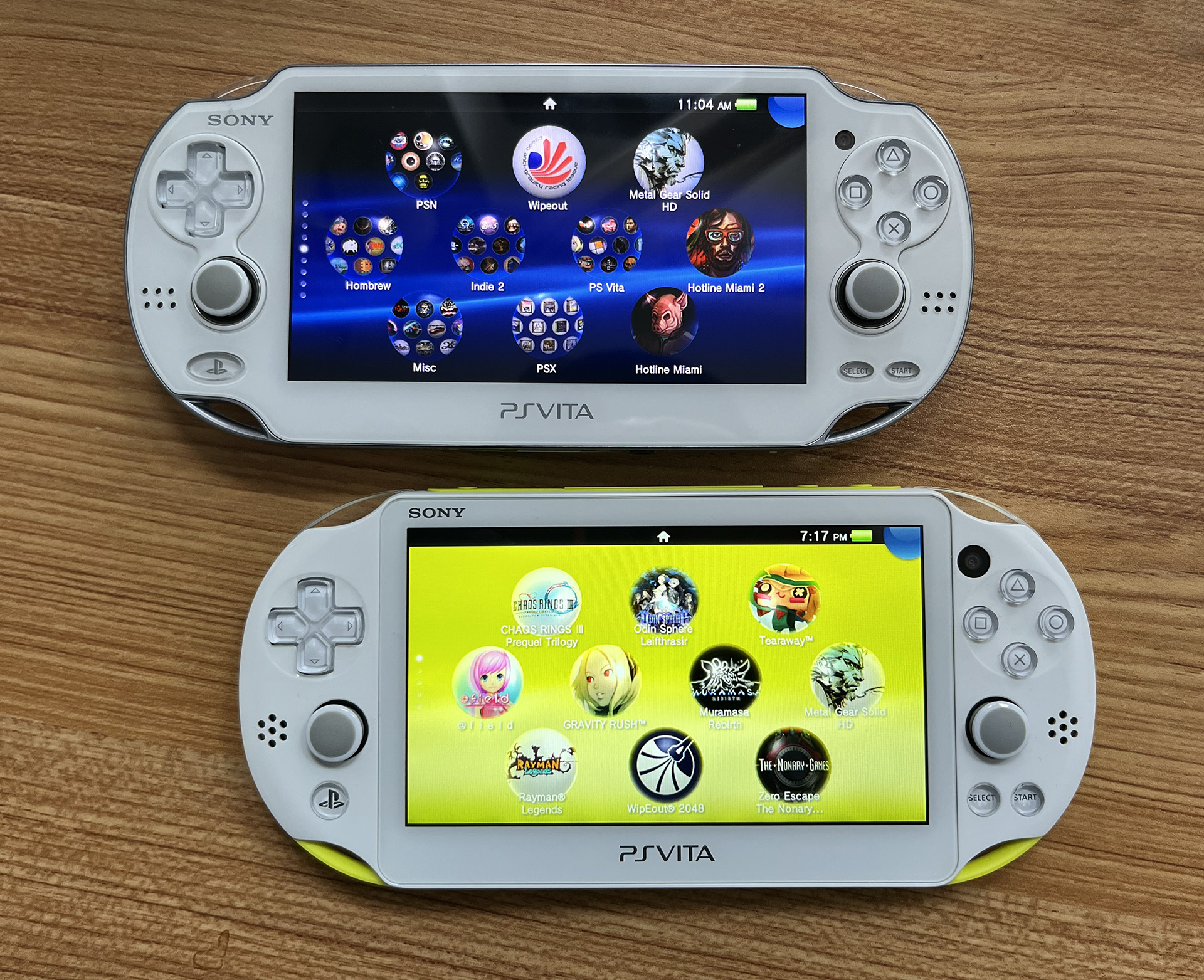 In the years since I originally purchased these devices, we’ve been spoiled by improvements in screen technology, and the legacy handhelds that have stood the test of time best are the miracle-variants the didn’t just use the cheapest, lowest quality displays available. Every now and then I’ll pick up the PS Vita 2000 and be impressed by how lightweight and comfortable to hold it is. But the screen has aged badly and in a side-by-side comparison, the 1000 is the clear winner.
The fact that this thing shipped with an OLED display back in 2012 was pretty revolutionary, but the device was bigger and bulkier than the PSP as a result. This was at the tail-end of a run where smaller equalled better in the world of technology, as charted by the evolution of devices such as the iPod and PSP (essentially these devices got smaller and smaller until they were ‘too small’).
So at the time the Vita felt pretty massive, but in retrospect it’s tiny. The modern relevance of the device is really quite simple – there isn’t another handheld available at this size, at this build-quality, that also has a not-terrible screen. The Steam Deck and Switch 2 are great, but they’re also four or five times bigger than the Vita.
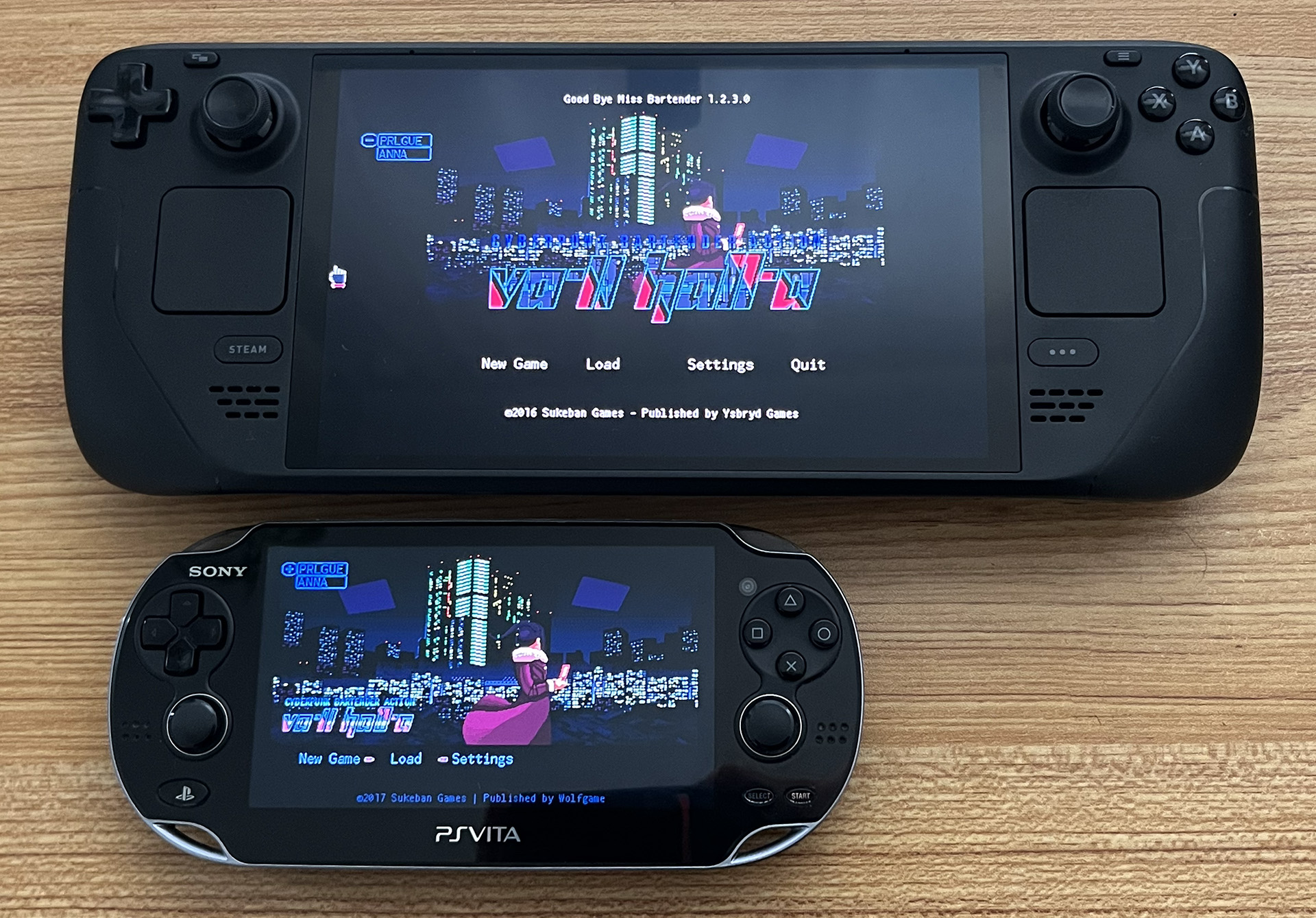
It really is the ultimate travel companion – a device not too big to play on an aeroplane when you’re sitting next to strangers
Ports, ports, ports!
Over the years I’ve heard the PS Vita being criticised for having an ‘inferior’ library of games compared to the PSP. This is distorting the facts somewhat. What’s true is that Sony tried out ‘portable’ versions of many of their franchises on the PSP, and then subsequently gave up on this practice pretty quickly after the Vita launched. It did however receive a lot of ports for games also available on other platforms, including PlayStation 2 classics such as Final Fantasy X and Odin Sphere. The PSP got Metal Gear Solid: Peace Walker (a brand new game!), where as the PlayStation Vita got ports of Metal Gear Solid 2 & 3. It’s only a raw deal until you consider the fact that both Metal Gear Solid 2 and 3 are better than Peace Walker.
Even the console’s definitive ‘system seller’; Persona 4, was originally a PS2 game, albeit an enhanced one with new content. This is the version that was subsequently ported to Steam, and other games such as Gravity Rush were remastered for PS4. So if it didn’t start out as a port, it probably became one, and little is left in terms of Vita exclusives (The PSP meanwhile has lots of games that remain locked to the platform and mostly for good reason. Still, I’m holding out hope for HD remakes of Infected, Death Jr. and Coded Arms).
But looking at the Vita’s library this way is somewhat missing the point. No one complains that Steam Deck only has non-exclusive games that can be played on PC. The PS Vita is the best and most portable way to play certain games. The device’s incredible form-factor even means that in some cases it’s worth overlooking the increased load times and performance issues.
A good example of this would be Resident Evil Revelations 2. And just to be clear, the performance and load times here are not good. But the game is a lo-fi, B-movie horror experience that, on PS Vita at least, feels great.
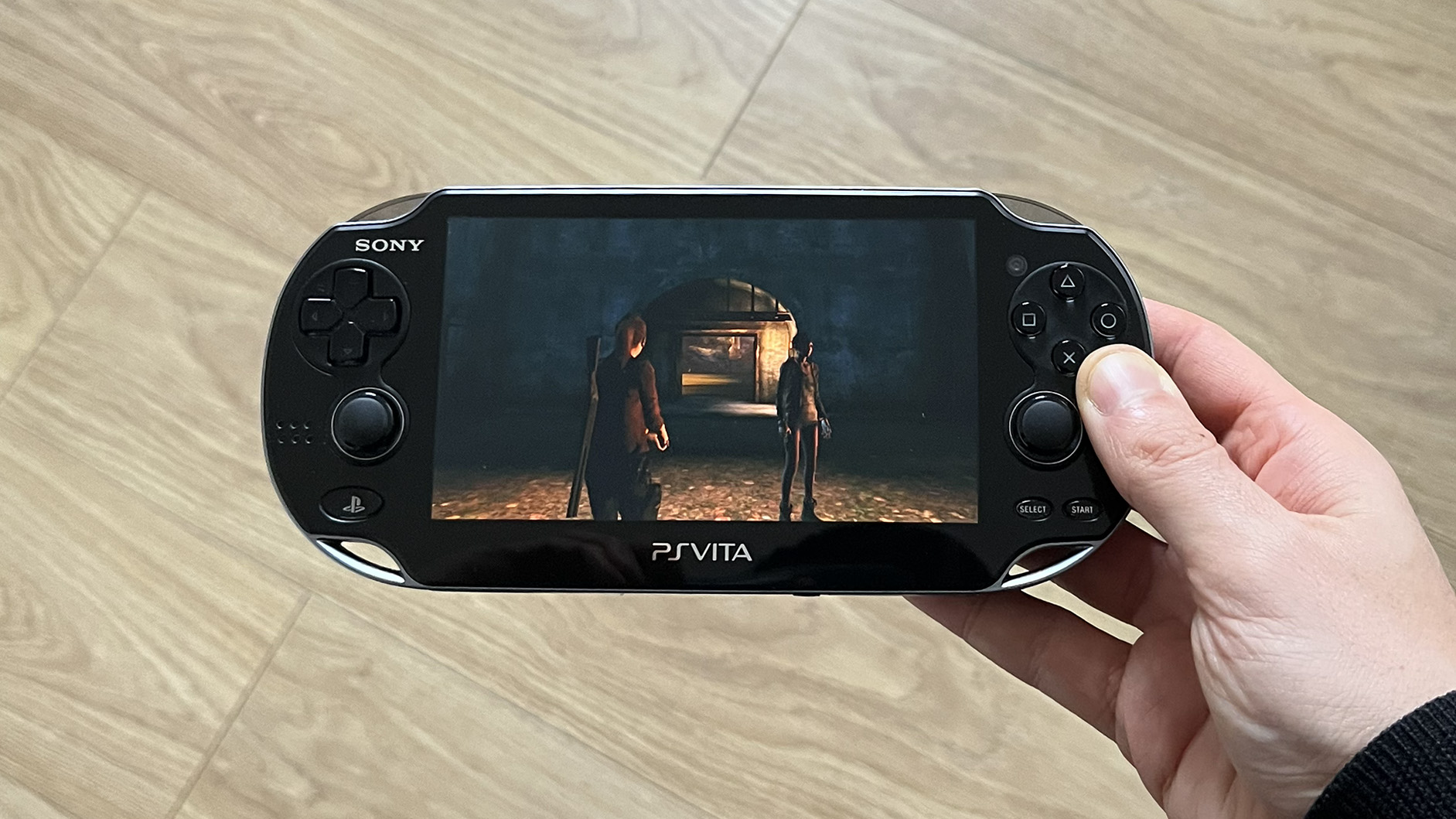
This really would have been the best mobile game ever if it had been released on iOS in the 2010s
Today the game can also be played on Steam Deck, but the increased resolution and frame rate don’t actually make it look better. In fact they have the opposite effect and highlight how unfavourably the game compares to the Resident Evil 2 and 3 remakes, as well as all the other legitimately-good mainline Resident Evil games that run well on Deck. But revisiting it on Vita made me appreciate its low-budget aesthetic as offering something different, rather than something inferior, to the other games in the series.
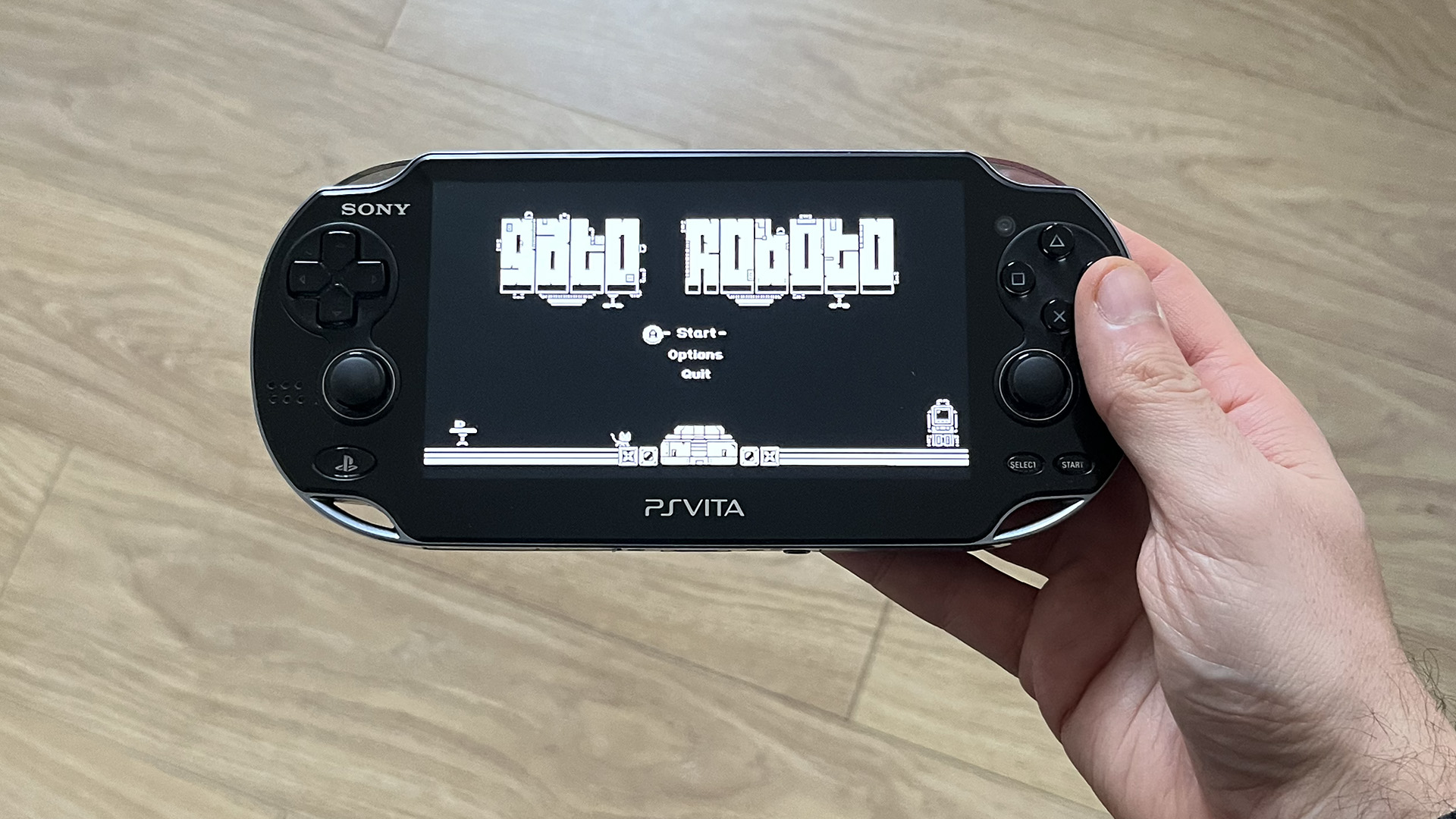 Anyway, the most exciting thing about the PS Vita is that its library of ports has kept on growing. There are loads of newer Steam games, PC classics and android black-magic conversions to discover if you don’t mind getting your hands a little dirty. There’s also a few more ambitious ports that run so badly they can’t really be considered playable, so look out for those too.
This more recent offering is really where the Vita now distinguishes itself from the Nintendo 3DS; its main rival from back in the day. The 3DS has been regaining popularity recently, but if you’ve already played the headline games then I wouldn’t personally consider it a great system to revisit. The screen quality is notably horrible, it’s resolution is Wii-like (low) and the UI feels dated and slow. If however, you stopped playing PS Vita games back in 2017 like most normal people did, you’ll probably be very pleasantly surprised by how the console holds up, and by the number of new and ‘unofficial’ games released since.
The worst thing about the Vita
Speaking of ports, you know what the worst thing about the Vita is? It’s the propriety charging port. The console is very, very portable, but having to carry around an extra charger for it is a total hassle.
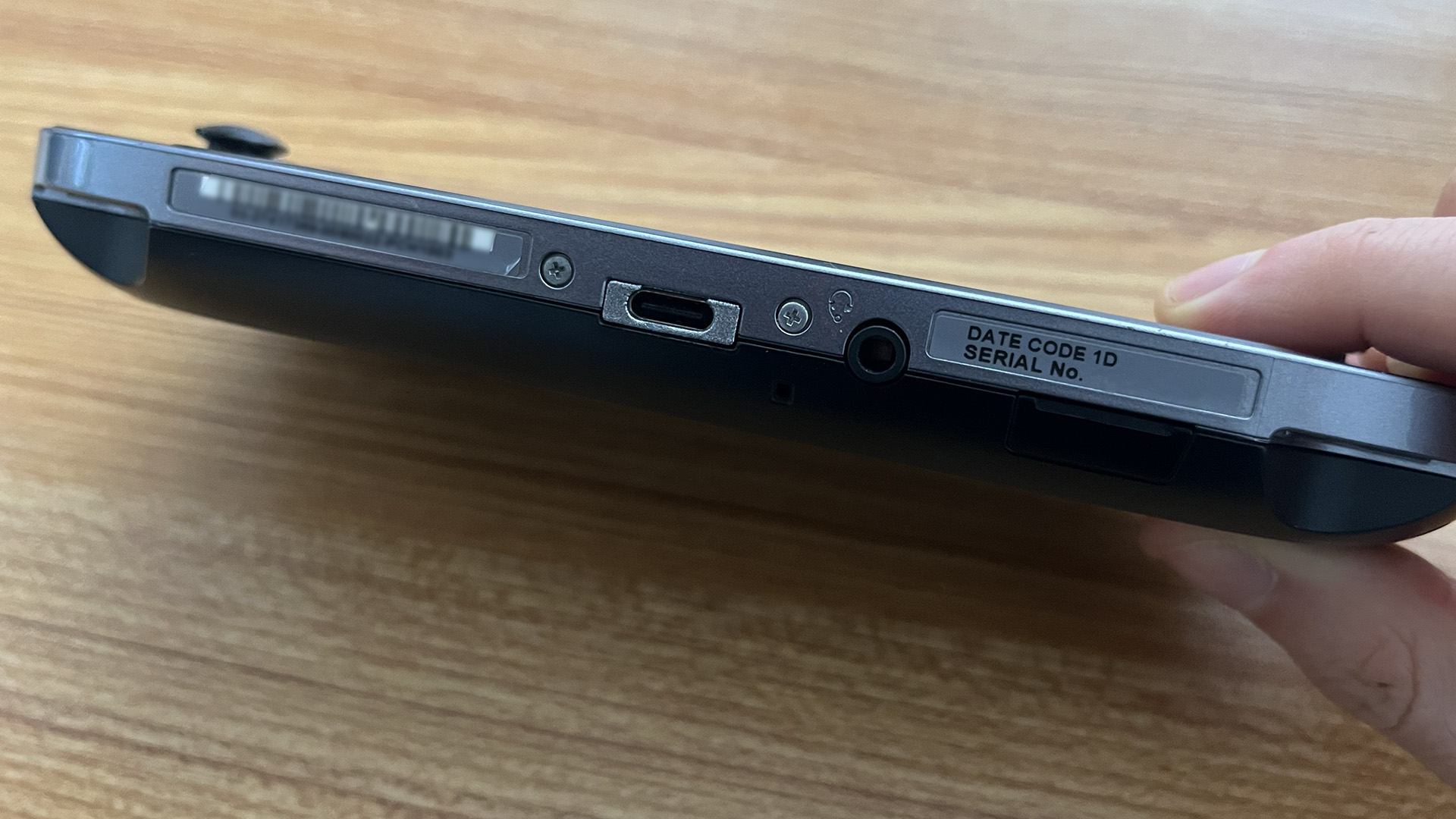 Fortunately, if you don’t mind doing some expert-level soldering, it’s possible to swap this out for a modern USB-C port. I honestly can’t recommend this upgrade enough, it’s changed my life.
A memory card for every occasion
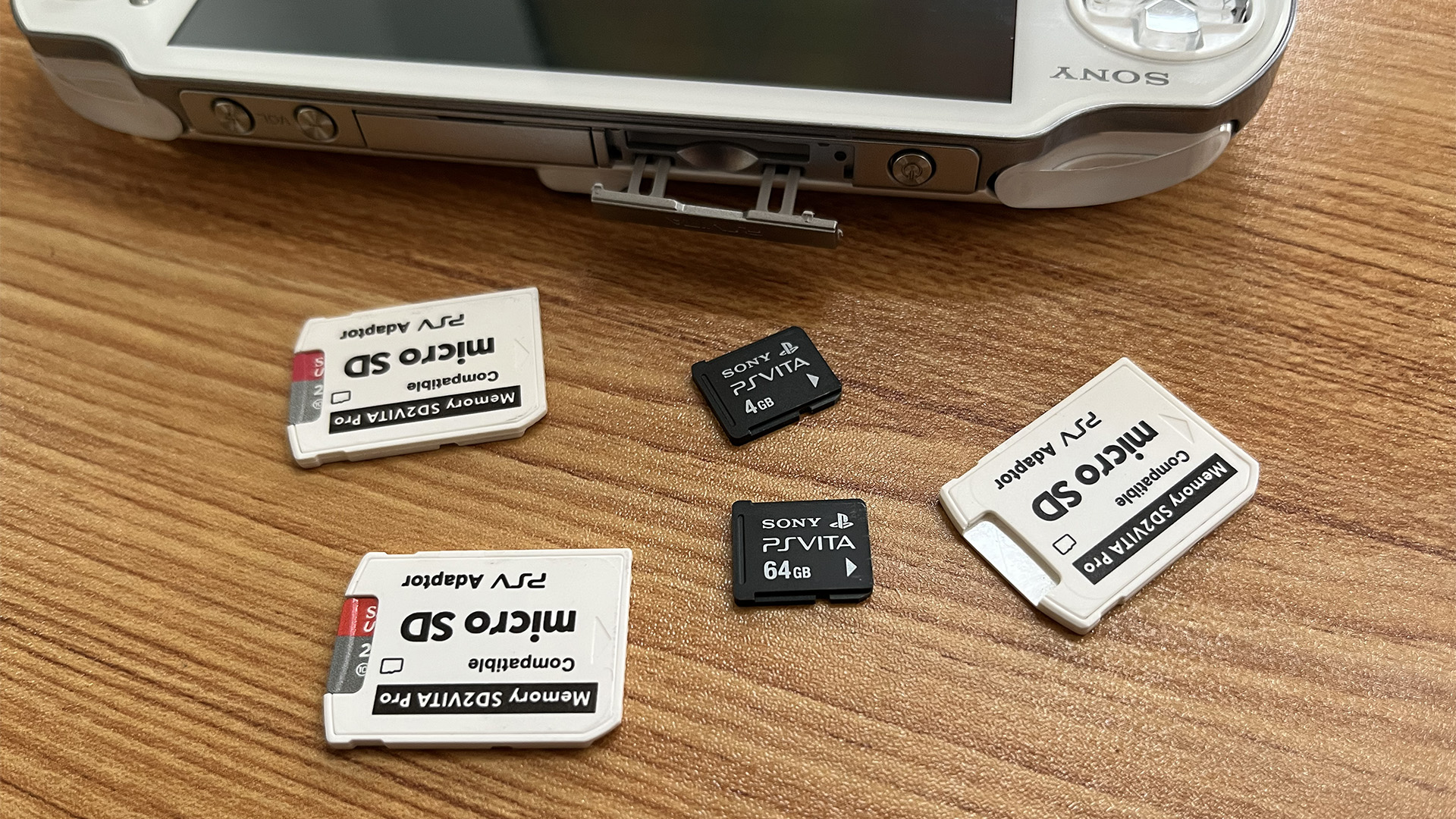
The other worst thing are the Vita memory cards. These are essentially low-quality micro-SD cards that were made in a slightly-different shape so they could only fit inside a Vita. They were expensive when they came out, and remain over-priced to this day. Enter SD2Vita, an adapter that lets you use a regular micro-SD card. Not only does this mean big savings, but also the potential to increase the available storage beyond 64gb – the maximum size of the official cards.
There is a catch however; the adapter connects through the game-card slot and you’ll need to ‘modify’ your console software a bit for the device to recognise this as the storage location.
 PSP, PSX, PSV, and you
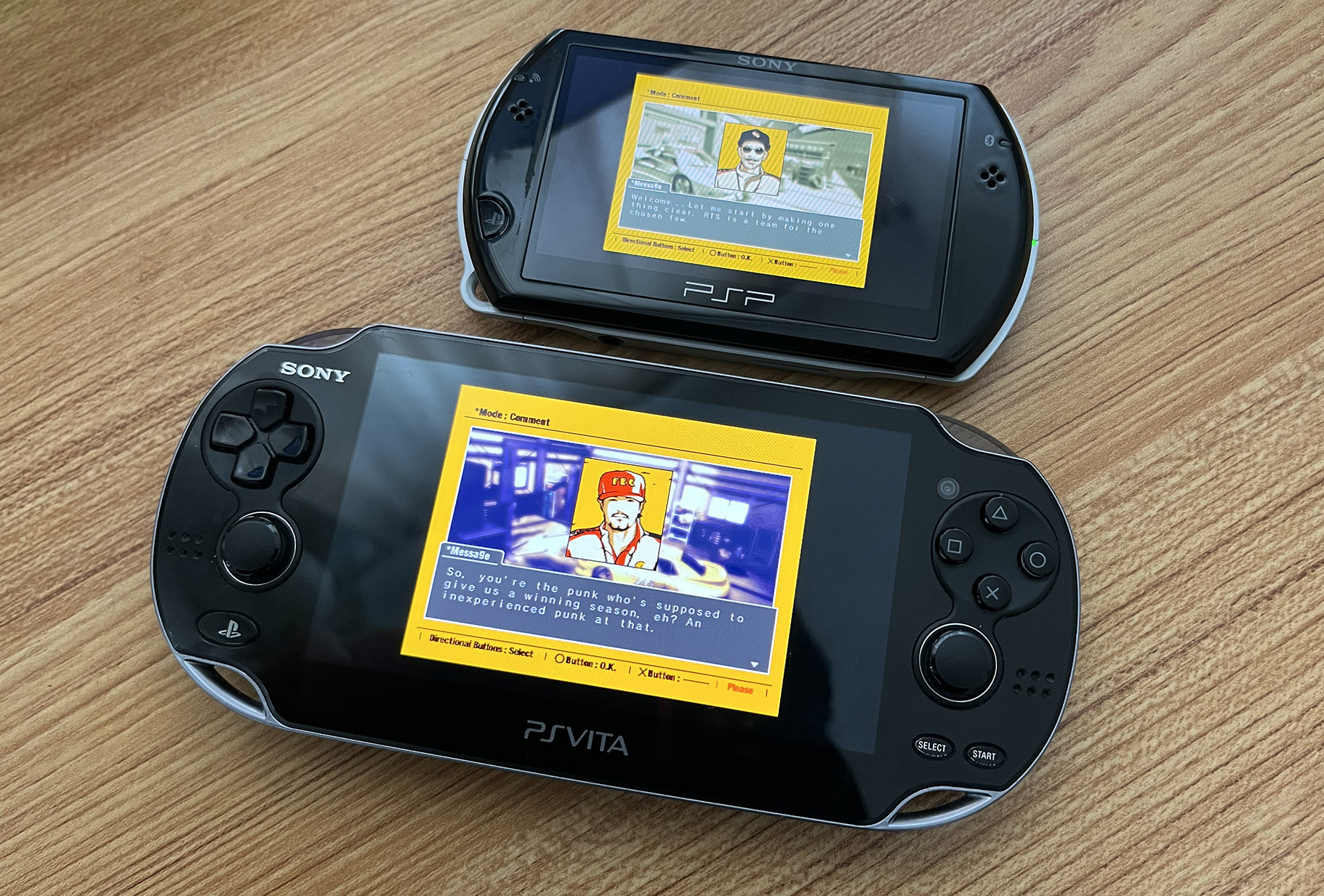
The PS Vita natively plays PSP games, and in turn it runs PS1 games sort-of-natively using a version of the same official emulator that the PSP did. The problem is that the PS Vita is much bigger than the PSP and the screen is a higher resolution, which means that although PSP games run great performance-wise, they usually end up looking blurry and low-res, with weirdly large UI elements.
Playing around with the scaling settings can improve things a bit, but in a side-by-side comparison the PSP Go wins every time. What about PS1 games? I’d play them on a PS1, or maybe a PSP Go. Some PS1 games are actually really, really good on PSP, but others simply require too many shoulder buttons or analog sticks to work properly.
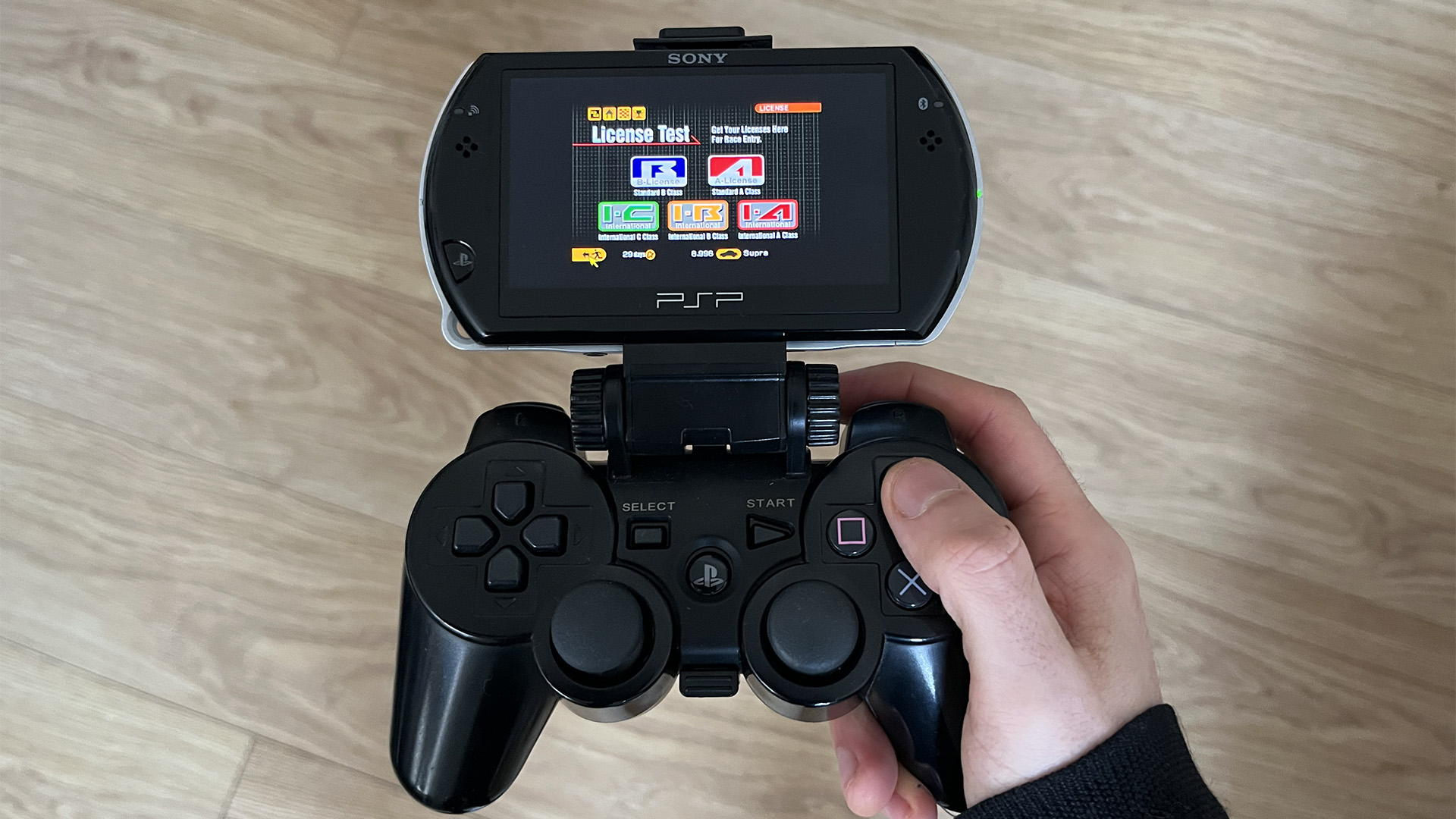
This is still the best way to play Gran Turismo 2
Some practical advice on not overdoing it
The PS Vita handles a large volume of content better than other handhelds such as the PSP or 3DS. But it’s still easy to get overwhelmed if you load it up with too many games (trust me). You should ask yourself, do you really need all 3 versions of Persona Dancing? What about that fan-translation of game X? Maybe there’s a good reason why it wasn’t officially localised, have you thought about that?*
*One notable exception to this is Chaos Rings III: Prequel Trilogy, which is one of my favourite games on the Vita. It’s a really weird one though, as English-language versions of the individual games were released on iOS and Android (although most have since been de-listed). The version on Vita really is the definitive compilation and even though it has the word ‘trilogy’ in the title, it actually includes all FOUR games in the series.
Currently I have about 80gb of games on my Vita, which as far as collections go, is concise-ish. I wanted to consolidate further, but this would have involved deleting the Metal Gear Solid Collection and Persona 4. Even though I’ve completed both several times, and am not actively playing either at the moment, it’s nice to have them there. Just incase.
I’ve played a lot of games on the PS Vita, and I’ve also deleted a lot of games. What have I learned? Less is more. Having to manage too many bubbles gets annoying. What’s the best thing I’ve got on my Vita that you probably don’t already have installed? That would be easy; RVGL. You’re welcome.
About Dracula’s Cave




Donate

 Dracula's Cave
Recent Comments